
Ever stood in front of your mirror, holding up two different tops, and wondering why one makes you glow while the other just… sits there? It’s not your imagination. The right colors can make your eyes sparkle, your skin look radiant, and your whole face light up. The wrong ones can make you look tired, sallow, or just a little bit “off.” This is the magic of personal color analysis, and for anyone serious about mastering it, whether for themselves or for clients, having the best color analysis drapes is absolutely key.
Think of drapes as your secret weapon, the essential tool that takes the guesswork out of finding those perfect shades. They’re not just pretty fabrics; they’re carefully chosen swatches designed to reveal the subtle interplay between color and your unique skin undertone, value, and chroma. For image consultants and personal stylists, a high-quality drape set is the foundation of a successful consultation, allowing you to demonstrate color principles with clarity and confidence.
Why High-Quality Color Analysis Drapes Matter
When you’re helping someone discover their best colors, accuracy is everything. You can’t rely on guesswork or a phone screen. Professional color analysis drapes are specifically designed to provide clear, undeniable visual evidence of how different hues interact with a person’s complexion. This isn’t just about picking a favorite color; it’s about understanding the science and art behind what truly flatters.
The Difference Between a Swatch and a Drape
Sometimes you hear the terms “swatch” and “drape” used interchangeably, but there’s an important distinction. A swatch is typically a smaller piece of fabric, great for carrying in your purse for shopping trips. A drape, on the other hand, is a larger piece of fabric, usually big enough to be placed around a client’s shoulders. This larger size allows the color to reflect more fully onto the face, making the subtle shifts in undertone, value, and chroma much more apparent during a draping session.
When we talk about the best tools, we’re focusing on those larger, professional-grade fabric drapes that truly allow for an accurate and impactful color analysis session. They need to be substantial enough to create a strong visual effect and truly isolate the client’s face against the color.
The Impact on a Consultation
Imagine you’re a personal stylist, working with a new client. You place a cool-toned drape around their shoulders, and suddenly, their natural flush is gone, and shadows appear under their eyes. Then, you switch to a warm-toned drape, and their skin looks luminous, their eyes brighter, and their features softer. This visual “aha!” moment is invaluable. It builds trust, educates your client, and makes your recommendations undeniable. The quality of your fabric drapes directly impacts the clarity and conviction of these moments.
Poor quality drapes might have inconsistent dyeing, be too sheer, or simply not represent true-to-season hues. This can lead to confusion, inaccurate results, and a less-than-professional experience for both you and your client. Investing in the right tools means investing in your expertise and your client’s satisfaction.
What Makes the Best Color Analysis Drapes?
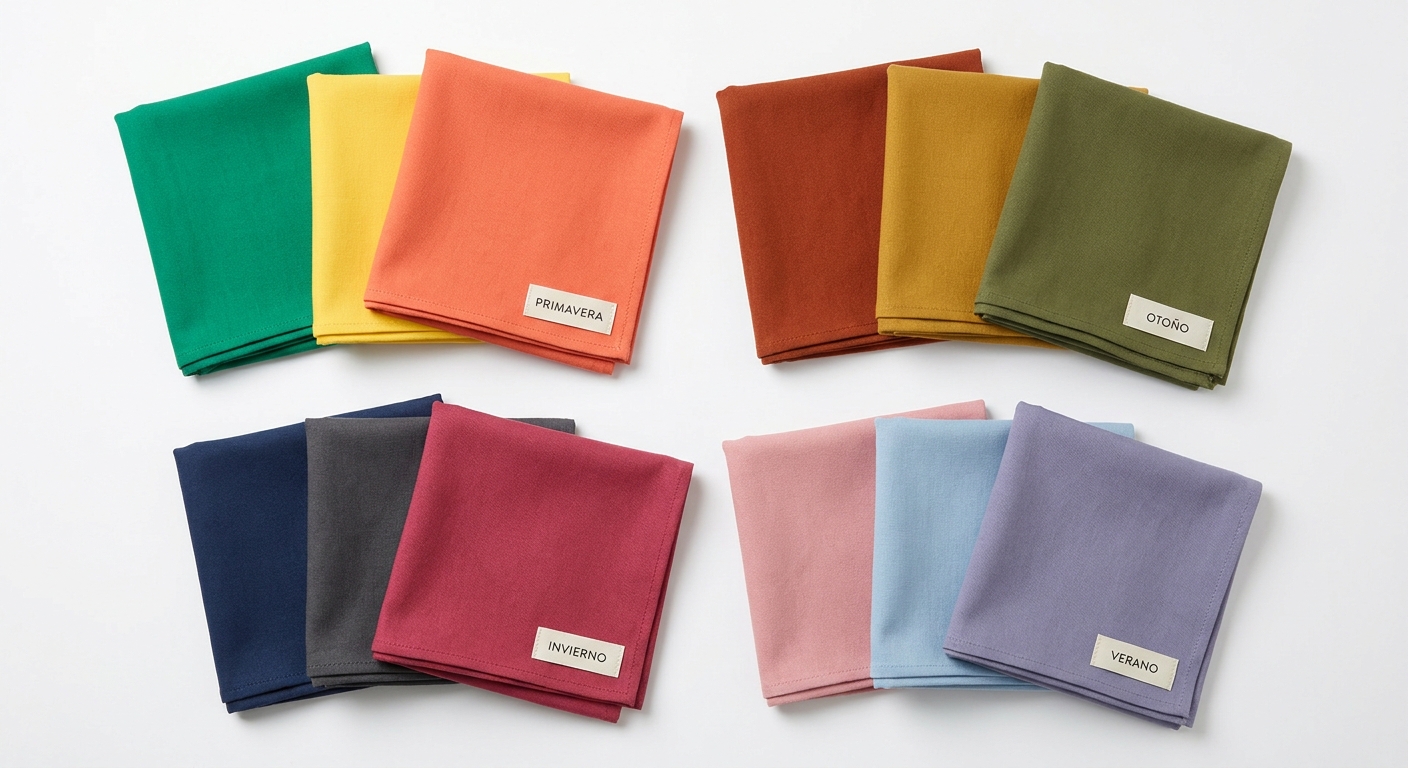
Choosing the right set of color analysis drapes isn’t just about picking a pretty collection. There are several critical factors that separate good drapes from truly great ones, especially for professional use.
Fabric Quality and Durability
Professional drapes are an investment, and you want them to last. Look for fabrics that are:
- Durable: They’ll be handled, folded, and used repeatedly. High-quality synthetic blends or natural fibers like cotton sateen are often chosen for their longevity.
- Wrinkle-Resistant: You want them to look crisp and clean for every client. Fabrics that resist creasing will save you time and effort.
- Opaque: The color needs to be the star. Drapes should be thick enough so that the client’s clothing or skin tone doesn’t show through, which could distort the color effect.
- Matte or Low Sheen: A matte finish prevents distracting glare and ensures the true color is reflected onto the client’s face without interference from shine.
Accurate Color Representation (True-to-Season Hues)
This is arguably the most crucial factor. The colors of your drapes must be precise representations of the various seasonal palettes. This means:
- Standardized Palettes: Drapes should align with established color analysis systems, whether it’s the four-season, 12-season, or 16-season approach.
- Consistent Dyeing: Each drape in a set should be dyed consistently, meaning the color is uniform across the entire piece of fabric, without streaks or variations.
- True Undertone: The warm drapes must be unequivocally warm, and the cool drapes unequivocally cool. Subtle nuances are important, but the core undertone must be clear for effective analysis.
This precision is what allows you to clearly demonstrate warm versus cool undertones, or bright versus muted chroma, to your client. Without it, the entire process becomes subjective and less reliable.
Size and Manageability
As mentioned, drapes are larger than swatches. A good size for a professional drape is typically around 18×24 inches or 20×28 inches. This size allows the fabric to be draped comfortably around the shoulders and chest, providing ample color reflection onto the face. However, they also need to be manageable:
- Easy to Handle: You’ll be switching them out quickly during a consultation.
- Foldable: For storage and transport, they need to fold neatly without excessive bulk.
- Lightweight: If you’re traveling to clients, the overall weight of your drape kit matters.
Comprehensive Sets for Different Systems
The “best” drapes will also depend on the color analysis system you use. Are you working with a foundational four-season system, or do you dive deeper into the 12 or even 16 seasons? A comprehensive set will include all the necessary colors for your chosen methodology, ensuring you don’t have gaps in your diagnostic tools.
For those starting out or focusing on the fundamentals, a Four-Season Color Analysis Drape Set is an excellent choice. Our professional fabric, true-to-season hues, and lifetime durability make it a smart investment for any consultant. At $119, it’s a complete four-season drape set covering spring, summer, autumn, and winter, providing a solid foundation for any color analysis practice.
Exploring Different Color Analysis Systems and Their Drapes
The world of personal color analysis has evolved over the years, leading to various systems, each with its own nuances and preferred tools. Understanding these systems helps you choose the right drape sets for your practice.
The Foundational Four-Season System
This is where many stylists begin, and it’s still a powerful tool for understanding basic warm and cool undertones. The four seasons are:
- Spring: Warm, light, bright. Think fresh blossoms and sunny days.
- Summer: Cool, light, soft. Imagine hazy beach days and muted pastels.
- Autumn: Warm, deep, soft. Picture fallen leaves and earthy tones.
- Winter: Cool, deep, bright. Envision stark snow and jewel tones.
Drapes for the four-season system typically include a core set of colors representing the defining characteristics of each season, often including neutral test drapes (silver/gold) to confirm undertone.
The Expanded 12-Season System
The 12-season system refines the original four by adding “sub-seasons” based on a person’s dominant characteristic: value (light/dark), chroma (bright/muted), or undertone (warm/cool). This allows for a more precise analysis. The 12 seasons are:
- Spring: Light Spring, Warm Spring, Bright Spring
- Summer: Light Summer, Cool Summer, Soft Summer
- Autumn: Soft Autumn, Warm Autumn, Deep Autumn
- Winter: Deep Winter, Cool Winter, Bright Winter
A 12-season drape set will be significantly larger, with drapes designed to highlight the specific nuances of each sub-season. For example, a “Light Spring” drape will emphasize lightness and warmth, while a “Bright Winter” drape will focus on brightness and coolness.
The Advanced 16-Season System and Beyond
Some consultants delve even deeper, using 16-season or even more granular systems. These often introduce “neutral” categories like “True Neutral” or “Soft Neutral” to cater to individuals who don’t fit neatly into purely warm or cool classifications. While highly detailed, these systems require a very extensive and specialized set of drapes. They can be incredibly accurate but also demand a higher level of training and a larger investment in tools.
For most image consultants, the 12-season system offers a fantastic balance of precision and practicality. It allows for detailed analysis without becoming overly complex, and comprehensive 12-season drape kits are readily available.
Essential Drapes for Every Color Analysis Kit
No matter which system you primarily use, certain drapes are foundational for any successful color analysis. These are your go-to tools for initial assessments and confirming key characteristics.
Warm vs. Cool Undertone Drapes
These are your starting point. Typically, you’ll have a set of drapes designed to clearly show warm undertones (peachy, golden, olive) and cool undertones (rosy, blue-based). Think of a vibrant coral versus a clear fuchsia. When placed side-by-side or sequentially, the difference in how they interact with the client’s skin is often striking. This initial assessment is crucial for determining the overall seasonal family (Spring/Autumn for warm, Summer/Winter for cool).
Value Drapes (Light vs. Dark)
Once undertone is established, value comes next. These drapes help determine if a client shines in light, delicate colors or deep, rich hues. You’ll use drapes that are distinctly light (like a pale sky blue or soft peach) and distinctly dark (like a deep navy or rich forest green). Observing how these extremes affect facial features, shadows, and overall vibrancy helps pinpoint whether a client leans towards light seasons (Spring/Summer) or deep seasons (Autumn/Winter).
Chroma Drapes (Bright vs. Muted/Soft)
Chroma refers to the intensity or saturation of a color. Are your client’s best colors clear and vibrant, or soft and subdued? This is where chroma drapes come in. You’ll have drapes that are highly saturated and clear (like a bright magenta or emerald green) and drapes that are muted or softened (like a dusty rose or olive drab). Seeing how these affect the client’s natural brightness or softness helps narrow down to specific sub-seasons (e.g., Bright Spring vs. Soft Autumn).
Neutral Test Drapes (Gold and Silver)
These are invaluable for confirming undertone. Gold drapes are inherently warm, while silver drapes are cool. Placing them against the client’s face often provides a clear “yes” or “no” answer for warm or cool dominance. If gold makes them glow and silver makes them look gray, they’re warm. If silver enhances their complexion and gold looks harsh, they’re cool. Some people will look good in both, indicating a neutral undertone, which points towards soft or true neutral seasons.
By systematically using these essential drapes, you can efficiently and accurately guide your client through the initial stages of their color analysis, laying a solid foundation for more detailed seasonal exploration.
How to Use Color Analysis Drapes Effectively in a Consultation
Having the best color analysis drapes is only half the battle; knowing how to use them is just as important. A skilled color consultant uses drapes not just as tools, but as visual aids to educate and empower their clients.
Setting Up Your Space
Before your client even arrives, ensure your consultation space is ready:
- Natural Lighting is Key: Position your client facing a window, ideally on an overcast day or in indirect light. Avoid direct sunlight, which can cast harsh shadows, and artificial lights, which can alter color perception.
- Neutral Background: A plain white or gray wall behind your client helps prevent distracting reflections or color casts.
- Client Preparation: Ask your client to arrive with a clean face, free of makeup, and with their hair pulled back if possible. This ensures you’re seeing their natural skin tone and hair color without interference.
- Mirrors and Frames: A large, clear mirror is essential. Many professionals also use color analysis frames – rigid foam board or professional consultation frames – to further isolate the client’s face against the drape, enhancing the visual effect.
The Draping Process Step-by-Step
Here’s a general approach to a draping session:
- Initial Observation: Start by observing your client’s natural features – skin tone, eye color, natural hair color. Note any obvious warm, cool, bright, or muted qualities.
- Warm vs. Cool Test: Begin with your warm and cool test drapes (e.g., a warm peach and a cool pink, or gold and silver). Drape them one at a time, allowing the client to see the effect in the mirror. Point out how their skin, eyes, and lips respond to each color. Does one make them look more vibrant? Does the other wash them out?
- Value Test (Light vs. Dark): Once the dominant undertone is clear, introduce light and dark drapes from that undertone family. For example, if they are cool, try a light cool blue and a deep cool navy. Observe whether light or dark colors are more harmonious.
- Chroma Test (Bright vs. Muted): Next, compare bright, clear colors with soft, muted ones within their determined undertone and value. Do vivid colors make their features pop, or do softer tones create a more harmonious look?
- Seasonal Confirmation: Based on these observations, you’ll start to narrow down the seasonal possibilities. For example, if they are warm, light, and bright, you’re likely looking at a Spring season. If they are cool, deep, and bright, it points to Winter.
- Sub-Seasonal Refinement: If you’re using a 12-season system, you’ll then introduce the specific drapes for the sub-seasons (e.g., Light Spring, Warm Spring, Bright Spring) to find the absolute best fit.
- Client Education: Throughout the process, explain what you’re seeing and why. This isn’t just about telling them their season; it’s about teaching them to see it for themselves.
Tips for a Smooth Consultation
- Engage the Client: Ask them what they see. Their input can be valuable, and it makes them feel more invested in the outcome.
- Take Breaks: Looking at colors for too long can cause eye fatigue. Step away from the mirror for a moment between drapes if needed.
- Be Confident and Clear: Your expertise should shine through. Explain your reasoning in an easy-to-understand way.
- Document the Process: Many consultants take photos (with client permission) of the “before” and “after” effect of different drapes, which can be a powerful takeaway for the client.
Mastering the art of draping takes practice, but with quality tools and a thoughtful approach, you can provide an invaluable service that truly transforms how your clients see themselves and their wardrobes.
Maintenance and Care for Your Professional Drape Set
Your color analysis drapes are professional tools, and like any investment, they require proper care to maintain their quality, accuracy, and longevity. Taking good care of them ensures they remain a reliable asset for years to come.
Cleaning Your Drapes
Even with careful handling, drapes can pick up dust, makeup residue, or oils over time. Here’s how to keep them pristine:
- Spot Cleaning: For small smudges, use a damp cloth with a mild, dye-free soap. Blot gently rather than rubbing, which can spread the stain or damage the fabric.
- Hand Washing: Many professional drapes are best hand-washed in cool water with a gentle detergent. Avoid harsh chemicals or bleach, which can strip the color or damage the fabric fibers. Rinse thoroughly until the water runs clear.
- Air Drying: Always air dry your drapes. Lay them flat on a clean towel or hang them on a non-staining hanger away from direct sunlight. Avoid machine drying, which can cause shrinkage, fading, or damage to the fabric.
- Check Manufacturer Instructions: Always refer to the specific care instructions provided by the drape manufacturer. Different fabrics may have unique requirements.
Storage Best Practices
Proper storage protects your drapes from damage, dust, and fading:
- Keep Them Clean: Ensure drapes are completely clean and dry before storing them to prevent mildew or odors.
- Fold Neatly: Fold each drape neatly to prevent excessive creasing. If you have a large set, consider rolling them or using fabric dividers to prevent colors from bleeding onto each other over long periods.
- Protective Case: Store your drapes in a dedicated, breathable carrying case or storage box. This protects them from dust, light exposure, and accidental spills. Avoid airtight plastic containers, which can trap moisture.
- Dark, Dry Place: Store your case in a cool, dry place away from direct sunlight or extreme temperature fluctuations. Sunlight can cause colors to fade over time.
Handling During Consultations
Preventative care during consultations goes a long way:
- Clean Hands: Always ensure your hands (and your client’s, if they’re handling drapes) are clean and free of lotion or makeup.
- Protect from Makeup: Encourage clients to remove makeup before a session. If not possible, use a protective barrier around the neck or shoulders to prevent makeup transfer onto the drapes.
- Avoid Jewelry Snags: Be mindful of client jewelry that could snag or pull threads on the drapes.
By following these simple care guidelines, your professional color analysis drapes will remain vibrant, accurate, and a joy to use for countless consultations, continuing to serve as the best color analysis drapes for your business.
Where to Find the Best Color Analysis Drapes
When you’re ready to invest in your professional toolkit, knowing where to look for quality drapes is essential. You want suppliers who understand the nuances of color analysis and prioritize accuracy and durability.
Specialized Color Analysis Suppliers
These companies focus specifically on tools for image consultants and stylists. They often have:
- Expertise: They understand the specific requirements for color analysis, from fabric choice to color accuracy.
- Comprehensive Kits: You’ll find full sets for four-season, 12-season, and sometimes 16-season systems.
- Quality Assurance: Reputable suppliers will stand behind the quality of their dyes and fabrics.
- Support and Training: Some may offer resources or training to help you maximize the use of their tools.
Element & Style USA is one such specialized supplier, offering high-quality, professional-grade drapes designed for accurate personal color analysis. Our Four-Season Color Analysis Drape Set is a prime example, built with professional fabric and true-to-season hues to be a lifetime tool for color analysis.
Professional Organizations and Conferences
Organizations like AICI (Association of Image Consultants International) often have vendors at their conferences who specialize in color analysis tools. This is a great way to see drapes in person, compare options, and speak directly with suppliers. AICI’s website (aici.org) can also be a good resource for finding reputable suppliers or recommendations from fellow consultants.
Online Marketplaces (with caution)
While general online marketplaces like Etsy or Amazon might offer some drape options, exercise caution. It’s harder to verify color accuracy and fabric quality without seeing them in person or relying on trusted reviews. If you go this route, always check for:
- Detailed Descriptions: Look for specifics on fabric type, size, and dyeing process.
- Customer Reviews: Pay attention to feedback regarding color accuracy and material quality.
- Return Policy: Ensure you can return them if the quality doesn’t meet your expectations.
Investing in the best color analysis drapes from a reputable source ensures you’re equipped with tools that will serve your clients and your business effectively for years to come. Remember, these drapes are not just fabric; they are the visual language of color analysis.
Frequently Asked Questions About Color Analysis Drapes
What is the ideal size for a color analysis drape?
Generally, professional color analysis drapes are around 18×24 inches to 20×28 inches. This size is large enough to reflect color effectively onto the client’s face and shoulders without being unwieldy. The goal is to isolate the client’s complexion against the drape, so a generous size is key for clear visual impact.
How many drapes are in a typical professional set?
The number of drapes varies significantly depending on the color analysis system. A basic four-season set might have 20-30 drapes, including warm/cool test drapes and core seasonal colors. A 12-season set will be more extensive, often containing 50-70 drapes to cover all the sub-seasons. Advanced 16-season systems can have even more.
Can I make my own color analysis drapes?
While it’s possible to source fabric and sew your own drapes, it’s incredibly challenging to achieve the precise color accuracy and consistent dyeing required for professional analysis. Off-the-shelf fabrics often have too much sheen, inconsistent dye lots, or colors that aren’t true-to-season. For reliable, professional results, purchasing pre-made, high-quality drapes from a specialized supplier is highly recommended.
How do color analysis drapes differ from color swatches?
The primary difference is size and purpose. Drapes are larger pieces of fabric used during a consultation to reflect color onto a client’s face and determine their season. Swatches are smaller fabric samples, often carried by clients for shopping trips as a reference for their personal palette. While both are color tools, drapes are for diagnosis, and swatches are for application.
Is it worth investing in a full 12-season drape set right away?
For new image consultants or those just starting with color analysis, beginning with a high-quality four-season drape set is often a smart move. This allows you to master the foundational concepts of warm/cool, light/dark, and bright/muted. As you gain experience and client demand grows, you can then expand to a 12-season set. Many consultants start with the basics and gradually build their comprehensive collection, ensuring they have the best color analysis drapes for their evolving practice.
Finding the best color analysis drapes is a crucial step for any personal stylist or individual looking to master the art of color. These aren’t just pieces of fabric; they’re powerful tools that unlock confidence, clarity, and true personal style. By understanding the importance of fabric quality, color accuracy, and proper usage, you’re not just buying drapes—you’re investing in a more vibrant future, whether for yourself or for your clients. Ready to see the difference professional color tools can make? Explore our range of high-quality drape sets and start your journey today.