
Ever caught a glimpse of your reflection and thought, “Something’s not quite right with this outfit?” For redheads, finding that perfect color palette can sometimes feel like a treasure hunt without a map. Your gorgeous hair, whether it’s fiery auburn, strawberry blonde, or a deep copper, brings a unique warmth and vibrancy that deserves colors that truly sing. That’s where color analysis for redheads comes in – it’s your personalized guide to looking and feeling your absolute best.
It’s not about hiding your beautiful red hair or trying to fit into a mold. Instead, it’s about understanding how your unique combination of hair, skin, and eye color interacts with different shades. Once you unlock your personal color code, getting dressed becomes less of a guessing game and more of a joy. Let’s dig into how redheads can use color analysis to enhance their natural radiance.
Understanding Your Undertone: The Foundation of Color Analysis for Redheads
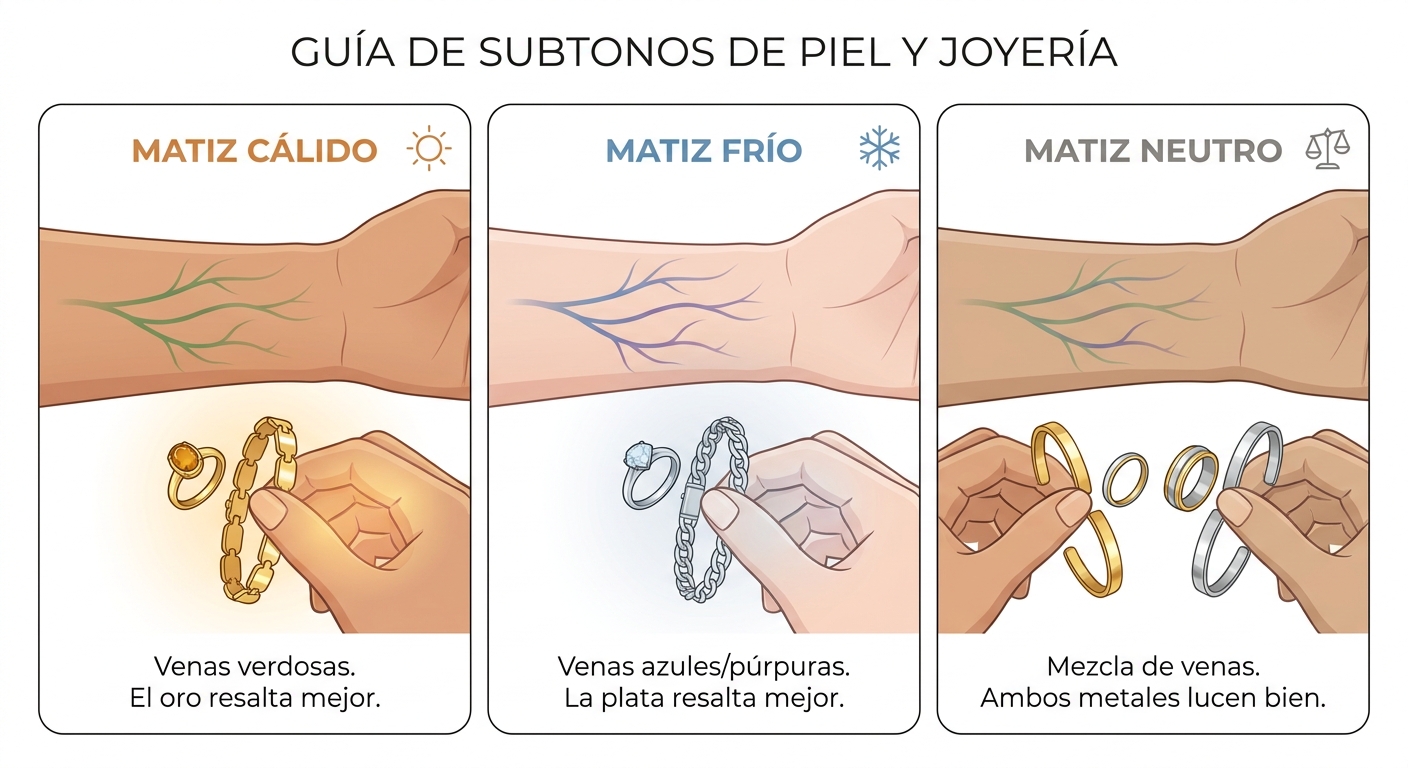
Before we jump into specific seasons, the most crucial step for any redhead (or anyone, really!) is figuring out your skin’s undertone. This isn’t about whether you’re fair or deep-skinned; it’s the subtle hue beneath the surface that dictates whether colors lean warm, cool, or neutral on you. Getting this right is the cornerstone of effective personal color analysis.
What is Undertone, Anyway?
Think of undertone as the filter through which your skin appears. You can have fair skin with a warm undertone, or deep skin with a cool undertone. It’s truly independent of surface tone. For redheads, this can sometimes be a bit tricky because red hair itself often carries a lot of warmth. However, your skin might tell a different story.
Here’s a quick breakdown:
- Warm Undertone: Your skin has a peachy, golden, or yellowish tint. You might tan easily and look great in gold jewelry.
- Cool Undertone: Your skin has a pink, rosy, or bluish tint. You might burn easily and look great in silver jewelry.
- Neutral Undertone: You have a mix of both, or neither seems dominant. You can often pull off both gold and silver.
Simple Ways to Spot Your Undertone
You don’t need a professional studio to get a good sense of your undertone. Try these common tests:
- The Vein Test: Look at the veins on your inner wrist in natural light. If they appear blue or purple, you likely have a cool undertone. If they look green, you’re probably warm. If you see a mix, or can’t quite tell, you might be neutral.
- The Jewelry Test: Hold up both silver and gold jewelry to your face. Which one makes your skin look more radiant and healthy? If silver is your winner, you lean cool. If gold is better, you’re likely warm. If both look equally good, you might be neutral.
- The White vs. Off-White Test: Hold a pure white piece of fabric and an off-white (cream or ivory) piece up to your bare face in natural light. Which one brightens your complexion? If white makes you look vibrant, you might be cool. If off-white makes you glow, you’re probably warm.
Many redheads naturally have warm undertones, which often goes hand-in-hand with their hair color. But it’s not a rule! Some redheads have cool or even neutral undertones, and that’s exactly why personalized color analysis is so important.
Which Seasonal Palettes Work Best for Redheads?
Once you have a handle on your undertone, we can start exploring the 12-season color analysis system. While there’s no single “redhead season,” certain palettes are more common and flattering for those with red hair. Remember, the goal is harmony – colors that complement your natural features, not overwhelm them.
Warm-Toned Redheads: Springs and Autumns
If you have a warm undertone, you’ll likely fall into one of the Spring or Autumn categories. These seasons celebrate warmth, richness, and natural earthiness.
Spring Redheads: Bright, Warm, and Light
Spring types often have a clear, bright quality to their complexion, sometimes with freckles. Their eyes might be blue, green, or light hazel. Their red hair often has a golden or strawberry blonde hue. Spring palettes are known for being:
- Bright: Clear, vibrant colors.
- Warm: Yellow-based hues.
- Light: Not too dark or muted.
If you’re a Spring redhead, you might be one of these sub-seasons:
- Bright Spring: Your colors are vivid and energetic. Think clear turquoise, bright coral, vibrant greens, and warm blues. Your hair might be a fiery, intense red.
- Warm Spring: You have a distinctly warm glow. Golden yellows, peachy corals, warm greens, and light browns will be stunning. Strawberry blonde or lighter golden red hair often fits here.
- Light Spring: Your overall appearance is delicate and luminous. Light peach, soft aqua, gentle greens, and warm pinks are your friends. Lighter, more subtle red hair often shines here.
For Spring redheads, avoid anything too heavy, dark, or extremely muted, which can drain your natural vibrancy. You thrive in fresh, lively colors.
Autumn Redheads: Rich, Earthy, and Deep
Autumn types typically have a rich, warm, and often slightly muted quality to their overall coloring. Their eyes might be brown, hazel, olive green, or even deep blue. Red hair for Autumns often ranges from rich copper to deep auburn. Autumn palettes are characterized by:
- Soft/Muted: Colors that aren’t overly bright.
- Warm: Yellow and golden undertones.
- Deep: Rich, saturated colors.
If you’re an Autumn redhead, you might be:
- Soft Autumn: You have a gentle, blended quality. Muted olive greens, terracotta, warm grays, and soft peaches are lovely. Your red hair might have a subtle, earthy tone.
- Warm Autumn: You are the epitome of warmth. Think rich rusts, deep forest greens, golden browns, and spicy mustards. Classic copper and auburn red hair often falls into this category.
- Deep Autumn: You have a strong, rich presence. Deep teal, dark chocolate brown, rich eggplant, and forest green will be striking. Darker auburn or mahogany red hair suits this palette beautifully.
Autumn redheads look stunning in colors inspired by nature’s fall foliage. Steer clear of very cool, icy colors or extremely bright, neon shades that can clash with your natural warmth.
Cool-Toned Redheads: Summers and Winters (Less Common, But They Exist!)
While less common, some redheads do have cool undertones, meaning their skin has a pink or blue cast. This can create a stunning contrast with their warm hair. These redheads will typically fall into Summer or Winter categories.
Summer Redheads: Soft, Cool, and Muted
Summer types have a delicate, soft, and often rosy complexion. Their eyes might be blue, gray, or soft green. Their red hair might be more of a muted, dusty rose, or even a cool auburn. Summer palettes are known for being:
- Soft/Muted: Subdued, gentle colors.
- Cool: Blue-based hues.
- Light: Not overly dark or heavy.
If you’re a Summer redhead, you might be:
- Light Summer: You have a gentle, ethereal quality. Powder blue, soft rose, lavender, and cool grays will be lovely. Your red hair might have a very soft, light appearance.
- Cool Summer: Your coloring is distinctly cool and often delicate. True blues, cool pinks, deep rose, and soft charcoal will be harmonious. Your red hair might have a cooler, perhaps slightly dusty, quality.
- Soft Summer: You have a muted, blended look. Dusty teal, plum, sage green, and muted berry tones are perfect. Your red hair might be a softer, less intense shade.
Summer redheads should avoid overly warm, bright, or dark colors that can overpower their delicate features. They shine in understated, harmonious shades.
Winter Redheads: Bold, Cool, and Clear
Winter types have a striking, clear, and often high-contrast appearance. Their eyes are often bright blue, green, or dark brown. Their red hair, if cool-toned, might be a very deep, rich auburn with a hint of coolness, or even a vibrant, almost jewel-toned red. Winter palettes are characterized by:
- Bright/Clear: Intense, vivid colors.
- Cool: Blue-based hues.
- Deep/Dark: Strong, saturated colors, often with a high contrast.
If you’re a Winter redhead, you might be:
- Bright Winter: You have a dazzling, clear quality. True red, royal blue, emerald green, and fuchsia will be stunning. Your red hair would likely be very vibrant and clear.
- Cool Winter: You are purely cool-toned with a strong presence. Icy blue, true purple, charcoal gray, and crisp white are excellent. Your red hair would have a distinct cool undertone, perhaps a deep burgundy.
- Deep Winter: You have a rich, strong, and often high-contrast look. Black, true red, deep emerald, and dark navy are perfect. Your red hair would be very deep and intense, like a rich mahogany.
Winter redheads can handle bold, strong colors. Avoid muted, pastel, or overly warm colors that can make you look washed out.
Beyond the Seasons: Value and Chroma for Redheads
While your season gives you a fantastic starting point, understanding value (lightness/darkness) and chroma (brightness/softness) helps refine your palette even further. These are the other two dimensions of your personal coloring.
Value: Light vs. Dark
Do you have a naturally light overall appearance, or are you deeper and richer? For redheads, this often relates to your skin tone and the depth of your hair color.
- Light Value: If you have fair skin and lighter red hair (like strawberry blonde or light copper), you’ll likely look best in lighter shades. Dark, heavy colors can overwhelm you.
- Deep Value: If you have deeper skin and rich auburn or mahogany hair, you can carry off darker, more saturated colors beautifully. Very light, pale colors might wash you out.
Chroma: Bright vs. Muted (Soft)
This refers to the clarity or softness of your coloring. Are your features vivid and clear, or more blended and gentle?
- Bright Chroma: If your eyes sparkle and your hair has a vibrant, clear tone, you’ll look fantastic in clear, bright colors. Muted shades might make you appear dull.
- Muted (Soft) Chroma: If your features blend softly, with perhaps a gentle haze to your eyes or hair, you’ll shine in muted, softened colors. Very bright, harsh colors can overpower you.
A redhead with fiery bright red hair and clear blue eyes, for example, would likely have a bright chroma, favoring clear colors. A redhead with soft, warm auburn hair and hazel eyes might have a soft chroma, looking best in muted, earthy tones.
Practical Tips for Redheads in Every Palette
Now that you’ve got the theory down, how do you put it into practice? Here are some actionable tips for redheads to make the most of their color analysis results.
Embrace Your Best Neutrals
Neutrals are the backbone of any wardrobe. For redheads, the right neutral can be just as impactful as a vibrant accent color.
- Warm Redheads (Spring/Autumn): Think warm browns, creams, olive green, camel, and deep moss. Black can sometimes be too harsh; opt for chocolate brown or deep charcoal instead.
- Cool Redheads (Summer/Winter): Charcoal gray, true navy, cool taupe, pure white, and black are excellent. Avoid overly yellow-based neutrals.
Choose Makeup Colors That Harmonize
Your makeup should work with your natural coloring, not against it. This is especially true for redheads, where the wrong shade can clash with your hair and skin.
- Foundations: Always match your undertone. If you’re warm, look for foundations with a golden or peach tint. If cool, go for pink or rosy undertones.
- Blush: Warm redheads will glow in peach, coral, or terracotta blushes. Cool redheads will look fresh in rose, berry, or cool pinks.
- Lipstick: Spring redheads look great in peachy pinks, corals, and light warm reds. Autumn redheads rock terracotta, brick red, and deep berry. Summer redheads shine in soft roses, plums, and muted berries. Winter redheads can pull off true red, fuchsia, and deep wine.
- Eyeshadow: Golds, coppers, and warm browns are stunning for warm redheads. Cool grays, plums, and forest greens can be beautiful for cool redheads, creating a striking contrast.
Consider Your Hair Color’s Role
Your red hair is a significant part of your personal color story. When choosing clothes, think about how the color interacts with your hair, not just your skin.
- Complementary Colors: For many redheads, greens and blues are fantastic complementary colors. A deep forest green or a vibrant turquoise can make your red hair pop beautifully.
- Analogous Colors: Warm reds, oranges, and yellows can create a harmonious, fiery look for warm redheads.
- Avoid Clashing: Be mindful of colors that are too close in tone to your hair but just slightly off, which can create a jarring effect. For instance, a very muted, cool red top might clash with a vibrant, warm red hair color.
Experiment with Different Shades Using Drapes
The best way to truly see what works is to try it on! If you’re serious about nailing your personal palette, a professional color analysis session is invaluable. During a session, a stylist uses 4 Seasons Drapes to test different colors against your face. These fabric drapes, which typically cost around $149 for a professional set, are designed to isolate your features and show how colors truly interact with your skin, hair, and eyes.
Even if you’re doing a DIY analysis, try holding different colored fabrics or clothing items up to your face in natural light. Pay attention to how your skin looks – does it brighten? Does it look dull? Do your eyes sparkle or recede?
| Redhead Type (Example) | Undertone | Best Neutrals | Colors to Embrace | Colors to Avoid |
|---|---|---|---|---|
| Strawberry Blonde (Light Spring) | Warm, Light, Clear | Cream, Camel, Light Taupe | Peach, Coral, Light Aqua, Golden Yellow | Dark, Heavy Black, Icy Blues, Deep Burgundy |
| Fiery Copper (Warm Autumn) | Warm, Muted, Rich | Olive Green, Chocolate Brown, Rust | Terracotta, Forest Green, Mustard, Warm Orange | Neon Pink, Icy Pastels, Pure White, Royal Blue |
| Cool Auburn (Cool Summer) | Cool, Soft, Muted | Charcoal Gray, Navy, Cool Taupe | Dusty Rose, Lavender, Soft Blue, Plum | Bright Orange, Kelly Green, Harsh Yellow, Black |
| Deep Mahogany (Deep Winter) | Cool, Deep, Clear | Black, True Navy, Deep Charcoal | Emerald Green, Ruby Red, Royal Blue, Fuchsia | Muted Pastels, Warm Browns, Peach, Olive Green |
What if Your Hair is Dyed Red?
This is a common question! If your red hair is dyed, your natural coloring (skin and eyes) will still be the primary factor in your color analysis. However, your dyed hair color will also play a role in how colors appear on you. An image consultant will consider both your natural undertones and the impact of your current hair color.
For example, if you have a cool undertone but dye your hair a very warm, bright red, you might find that some warm colors now look better on you, while your true cool-toned colors might create a slight clash with your hair. It’s a balance! Ideally, your hair color should also be in harmony with your overall season. If you’re unsure, consulting with a professional who uses análisis de colorimetría y estilo gratuito tools can help you navigate this.
Why Does Color Analysis Matter for Redheads?
The beauty of color analysis for redheads isn’t just about looking good; it’s about feeling confident and authentic. When you wear colors that truly flatter you, something magical happens. Your skin looks clearer, your eyes sparkle, and your hair color becomes even more vibrant. You project an image of effortless style and natural beauty.
It saves you time and money, too. No more buying clothes that sit in your closet unworn because they “just don’t feel right.” Instead, you build a wardrobe where every piece works in harmony with you. For image consultants and personal stylists, understanding the nuances of color analysis for clients with red hair is a powerful tool to provide truly personalized and impactful advice.
Embracing your unique red hair with a personalized color palette is a journey of self-discovery and empowerment. Whether you’re a fiery Spring, a rich Autumn, a delicate Summer, or a striking Winter, there’s a world of colors waiting to make you shine. Ready to discover your best shades? Exploring a professional drape set can be the perfect next step to unlock your full color potential.