
Imagine setting up for a big personal color analysis session. Your client is excited, the studio lights are just right, and you reach for your trusted color analysis tools. You pull out your beautiful, vibrant color analysis frames, ready to reveal their best shades. But what if they’re smudged, bent, or looking a little worse for wear? That’s not the professional impression you want to make.
Taking excellent color analysis frames care isn’t just about protecting an investment; it’s about maintaining your professional image and ensuring accurate, consistent results for every client. These frames are the silent workhorses of your consultation, guiding the eye and highlighting subtle nuances in skin tone. Keeping them pristine means your clients see only their best colors, not distracting smudges or faded hues.
Whether you’re a seasoned image consultant or just starting your journey into personal color analysis, understanding how to properly store, clean, and maintain your frames is essential. Let’s dive into practical tips that will keep your frames looking brand new for years to come, ensuring every client experience is top-notch.
Why Does Proper Color Analysis Frames Care Matter So Much?
You wouldn’t show up to a client’s home with a wrinkled blouse or smudged makeup, right? Your professional tools deserve the same level of respect and care. Your Professional Color Analysis Frames Kit is a significant investment in your business, and protecting that investment directly impacts your bottom line and reputation.
Maintaining Professionalism and Client Trust
When a client sits down for a color analysis session, they’re looking for expertise and attention to detail. Pristine frames communicate professionalism and meticulousness. If your frames look worn, dirty, or damaged, it can inadvertently suggest a lack of care in your overall service. Think of it this way: a chef wouldn’t serve a meal on a dirty plate, and a stylist shouldn’t use less-than-perfect tools.
Clients are paying for an experience, and part of that experience is seeing high-quality tools in action. Clean, crisp frames help them focus on the color transformation, not on the condition of the tool itself. This trust is invaluable.
Ensuring Accurate Color Analysis Results
Color analysis is all about precision. The subtle shifts in how a color interacts with a client’s skin, hair, and eyes are what you’re trying to identify. If your frames are faded, discolored, or have smudges that alter the perceived color, it can throw off your entire analysis. A slightly yellowed frame, for instance, could subtly influence how a cool-toned client’s skin appears, leading to an inaccurate assessment.
The integrity of the color on your frames is paramount. Rigid frames, especially those made with high-quality printing, are designed to display colors accurately. Proper care ensures these colors remain true to their original intent, guaranteeing reliable results every time.
Extending the Lifespan of Your Investment
Let’s be real: professional tools aren’t cheap. Your color analysis frames are durable, but they’re not indestructible. Regular maintenance and proper storage can significantly extend their lifespan, saving you the cost and hassle of frequent replacements. Think of it as preventative medicine for your business tools. A little effort now saves a lot of money and stress later.
The Best Ways to Store Your Color Analysis Frames
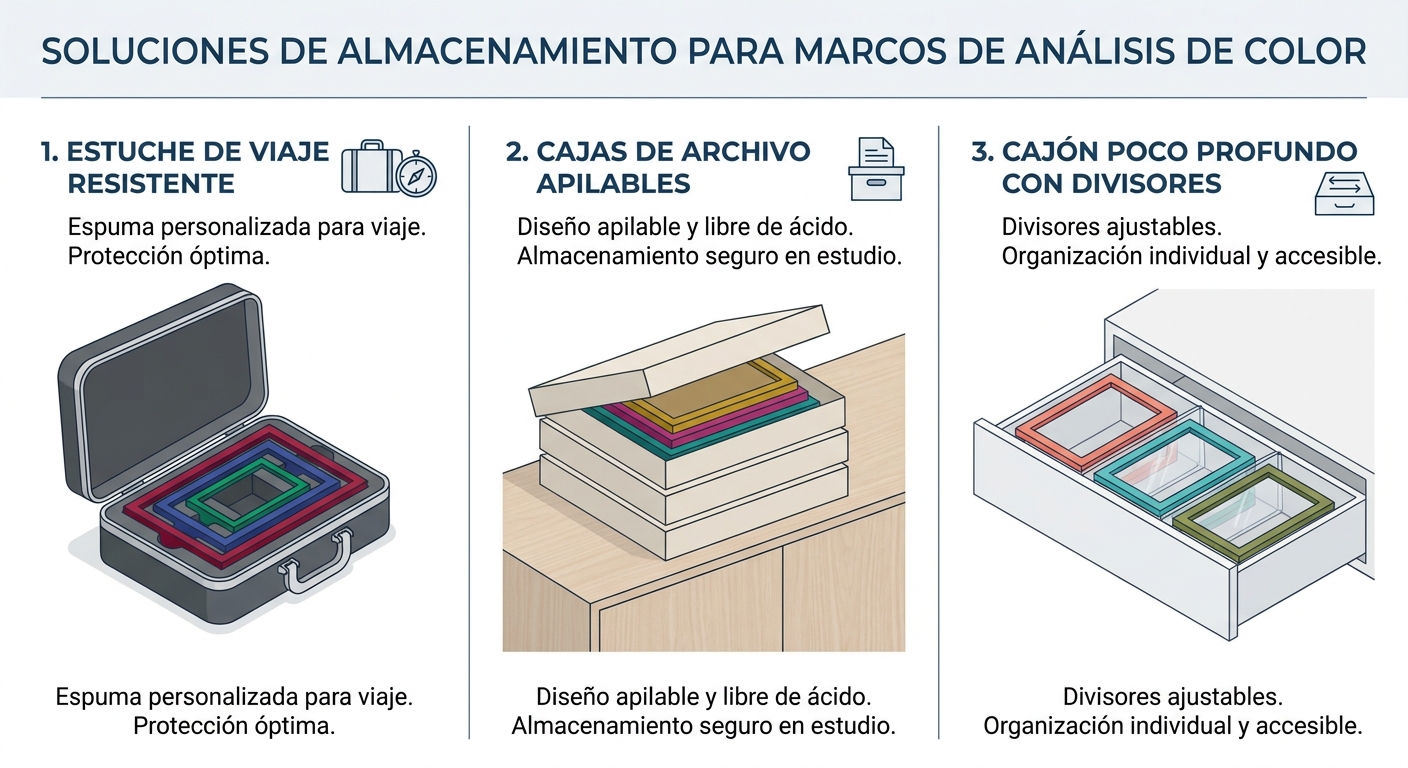
Storage is perhaps the most critical aspect of keeping your color analysis frames in top condition. Where and how you store them can protect them from dust, light, moisture, and physical damage.
Dedicated Storage Solutions
One of the best things you can do for your frames is to give them a dedicated home. This could be a custom-built cabinet, a sturdy plastic bin, or even a specialized carrying case. The key is to keep them organized and protected when not in use.
- Hard-Shell Cases: For image consultants on the go, a hard-shell carrying case with custom foam inserts is a game-changer. These cases protect against impacts, dust, and moisture during transport.
- Flat Storage Boxes: If you have a studio, stackable, acid-free storage boxes are excellent for keeping frames flat and protected from dust. Make sure the boxes are large enough so frames aren’t bent or crammed.
- Drawer Organizers: For smaller sets or individual frames, shallow drawers with dividers can keep everything tidy and prevent frames from rubbing against each other.
Always store frames flat, not standing on their edges, to prevent warping or bending over time. Gravity is not your friend when it comes to rigid materials like foam board or cardstock.
Controlling Environmental Factors
The environment where you store your frames plays a huge role in their longevity. Think about the Goldilocks principle: not too hot, not too cold, not too humid, not too dry.
- Temperature and Humidity: Extreme temperatures can cause materials to expand, contract, or warp. High humidity can lead to moisture damage, mold, or cause colors to bleed. Store your frames in a climate-controlled environment, ideally between 68-72°F (20-22°C) with moderate humidity (30-50%). Avoid storing them in basements, attics, or garages where conditions fluctuate wildly.
- Light Exposure: Direct sunlight is the enemy of color. UV rays can cause colors to fade and materials to degrade over time. Always store your frames away from windows or direct light sources. Even indirect sunlight over long periods can cause damage.
- Dust and Debris: Dust can settle on frames and become difficult to remove, potentially scratching the surface during cleaning. Keeping frames in enclosed storage solutions minimizes dust exposure.
Keeping Frames Organized
Beyond protection, good storage is also about organization. When you’re in the middle of a consultation, you don’t want to be fumbling through a disorganized pile of frames. Labeling your storage containers or creating a logical system (e.g., by season, by undertone) can save you precious time and keep your workflow smooth.
Consider using dividers within your storage boxes to keep individual frames separate, preventing them from scratching each other. This is especially important for Compact Color Analysis Kits where you might have multiple frames for different seasons.
How to Clean Your Color Analysis Frames Without Damage
Even with the best storage, your frames will occasionally need a gentle cleaning. Fingerprints, makeup smudges, or dust are inevitable. The key is to clean them effectively without damaging the color or the material.
The Gentle Approach is Key
Rigid frames are often made from foam board or sturdy cardstock with a printed surface. These materials are not meant for harsh chemicals or abrasive cleaning tools. Always opt for the gentlest method first.
- Dusting: For everyday dust, a soft, dry microfiber cloth is your best friend. Gently wipe the surface of each frame. Avoid using paper towels or rough cloths, which can scratch the surface.
- Fingerprints and Light Smudges: For fingerprints or light makeup smudges, a slightly damp microfiber cloth (dampened with plain water, not cleaning solutions) can work wonders. Wring out the cloth thoroughly so it’s barely damp, then gently wipe the affected area. Immediately follow with a dry microfiber cloth to remove any moisture.
- Stubborn Marks: For more stubborn marks, a tiny drop of mild, pH-neutral soap (like dish soap, diluted in water) can be used on a damp cloth. Apply it sparingly to the smudge, then immediately wipe with a clean, damp cloth to remove all soap residue, and finish with a dry cloth. Test this method on an inconspicuous area first if you’re unsure.
What to Absolutely Avoid When Cleaning
Just as important as knowing what to do is knowing what *not* to do.
- Harsh Chemicals: Avoid window cleaners, alcohol-based cleaners, abrasive scrubs, or any chemical sprays. These can strip the protective coating, fade the colors, or damage the material of your frames.
- Excessive Moisture: Water is generally safe in small amounts, but soaking your frames or using a very wet cloth can warp the foam board or cause the printed colors to bleed. Always use a barely damp cloth and dry immediately.
- Rough Materials: Never use paper towels, sponges with abrasive sides, or anything that could scratch the printed surface.
- Direct Heat: Don’t use a hairdryer or direct heat to dry your frames, as this can cause warping or damage the adhesive in laminated frames.
When cleaning, always work in a well-lit area so you can clearly see any smudges or residues. Your goal is a clean, dry, and undamaged surface.
Tips for Handling Your Frames During Consultations
It’s not just about storage and cleaning; how you handle your frames during a color analysis session can also impact their longevity. Here are some pro tips for in-session care:
Mindful Manipulation
When demonstrating colors, it’s natural to hold the frames close to the client’s face. Remind yourself and, if necessary, gently guide your client, to handle them by the edges rather than touching the colored surface. This minimizes fingerprints and makeup transfer.
If you’re using professional color analysis frames that are particularly large or rigid, use both hands to support them, preventing accidental bending or creasing. Teach any assistants or trainees the same careful handling techniques.
Protecting from Makeup and Hair Products
Makeup and hair products are common culprits for frame smudges. Before a session, you might consider gently reminding clients to be mindful of their freshly applied makeup. You could even offer a small, clean barrier (like a disposable tissue or a clean, soft cloth) to place between the frame and the client’s face if they are wearing heavy foundation or blush, especially if you’re working with very light-colored frames.
Always have your microfiber cleaning cloths on hand during a session so you can quickly and gently wipe away any fresh smudges before they set in.
Using a Clean Workspace
Before you even bring out your frames, ensure your consultation space is clean and clear. A cluttered table or a dusty surface can transfer debris to your frames. Lay out a clean, smooth surface (like a fresh tablecloth or a designated mat) where you can rest your frames between uses. This not only protects your frames but also creates a more organized and professional environment for your client.
When Should You Consider Replacing Your Color Analysis Frames?
Even with the best care, tools eventually wear out. Knowing when to replace your color analysis frames is crucial for maintaining the quality and accuracy of your services.
Signs of Wear and Tear
Keep an eye out for these indicators that it might be time for a replacement:
- Fading Colors: If the colors on your frames appear duller, less vibrant, or visibly faded compared to when you first got them, their accuracy is compromised. This is especially true for frames that have seen years of use or occasional light exposure.
- Significant Smudges or Stains: If a smudge or stain can’t be removed and is distracting or alters the perceived color, it’s time to replace that frame.
- Bends, Creases, or Warping: Physical damage like bends, deep creases, or warping can make frames difficult to use and unprofessional in appearance. A warped frame won’t lay flat against the client, making accurate assessment challenging.
- Peeling or Damaged Lamination: If your frames are laminated, peeling edges or damage to the laminate can compromise the color and the frame’s integrity.
- Outdated Colors or System: While less common with high-quality systems, if your frames are very old, they might reflect an outdated color system or palette. Reputable suppliers like Element & Style USA ensure their frames are aligned with current best practices in personal color analysis.
The Investment in Your Business
Replacing worn frames isn’t an expense; it’s an investment in your business’s future. Just like a professional photographer updates their camera or a chef upgrades their knives, a color consultant should periodically assess and refresh their tools. Clients notice the difference, and it reinforces your commitment to providing the highest quality service.
Consider setting a budget for tool replacement or planning to refresh certain frames every few years, depending on your usage. This proactive approach ensures you always have the best tools at hand.
Frequently Asked Questions About Color Analysis Frames Care
Can I sanitize my color analysis frames?
Yes, but with caution. For light sanitization between clients, a cloth very lightly dampened with an alcohol-free sanitizing wipe (test on an inconspicuous area first) or a mild, diluted disinfectant spray (sprayed onto a cloth, not directly onto the frame) can be used. Always follow immediately with a dry cloth to prevent moisture damage and ensure no residue remains that could alter color perception.
What’s the difference between color analysis drapes and frames for care?
Color analysis drapes are fabric and require different care, primarily gentle washing (if washable) or dry cleaning, and careful folding to prevent creasing. Frames, being rigid, focus more on protection from physical damage, moisture, and fading. While both need to be kept clean and accurate, their material dictates distinct care routines. Swatches, being smaller fabric samples, are handled more like drapes but on a miniature scale.
How often should I clean my frames?
This depends on usage. For a busy consultant, a quick wipe-down after each client to remove fingerprints or light smudges is a good habit. A more thorough cleaning, as described above, can be done weekly or monthly, or whenever you notice significant dust or marks. Regular, gentle maintenance is better than infrequent, harsh cleaning.
Can I repair a bent or creased frame?
Minor bends in rigid frames might sometimes be gently pressed flat under heavy books for a day or two, but severe creases or bends are usually permanent. Attempting to forcefully straighten them can cause further damage or compromise the printed surface. In most cases, if a frame is significantly bent or creased, it’s best to replace it to maintain professionalism and accuracy.
Taking care of your color analysis frames is a small effort with a big payoff. It preserves your investment, upholds your professional image, and, most importantly, ensures you deliver the most accurate and impactful color analysis for every client. By following these simple tips for storage, cleaning, and handling, your frames will remain vibrant and effective for years to come.
Ready to upgrade your professional toolkit or ensure you have the best quality frames from the start? Explore the Professional Color Analysis Frames Kit — 108 Complete System at Element & Style USA. Investing in quality tools and knowing how to care for them is the mark of a true expert.