“It went dull in two weeks.” It usually wasn’t the product — it was the undertone. A color can be technically perfect and still fight the face it sits on, and the client feels it even when she can’t name it.
See the 3 guidesFrom $14.99 · Instant download · Lifetime access
Color theory on its own explains why something works. Applied to hair it decides a formula; applied to makeup it decides a palette. The three together are what turns color into a service you can charge for instead of an opinion you offer for free.
Written for the chair and the counter, not for a classroom.
The color wheel and the four technical pillars — so you can judge a shade nobody listed, instead of memorising charts.
How to read a client’s undertone and contrast before you open the first bowl. It is the step that gets skipped, and the one that decides the result.
Color families by undertone, and the reference sheets you keep open while you work.
Each one solves a different question, and they build on each other in this order. $14.99 each during launch (regular $29.97).
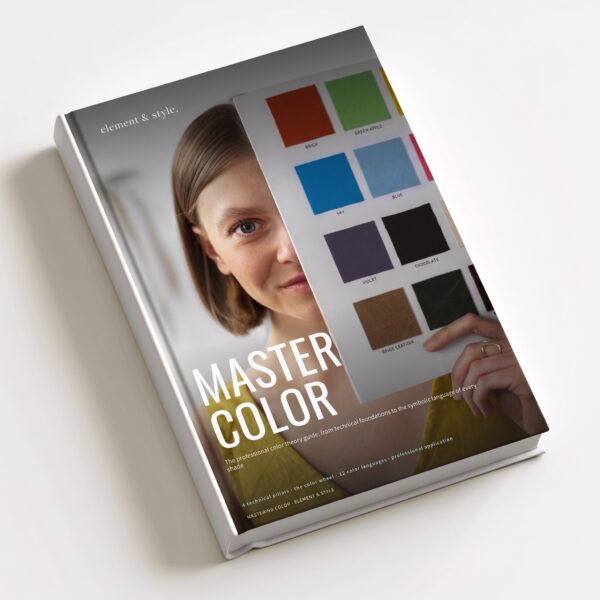
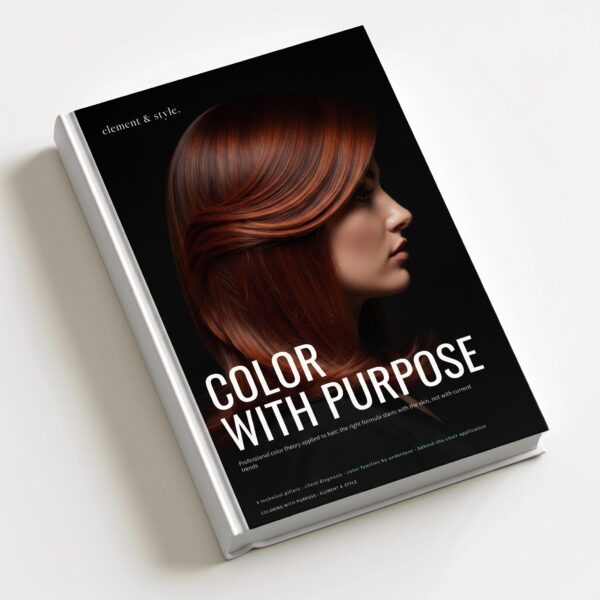
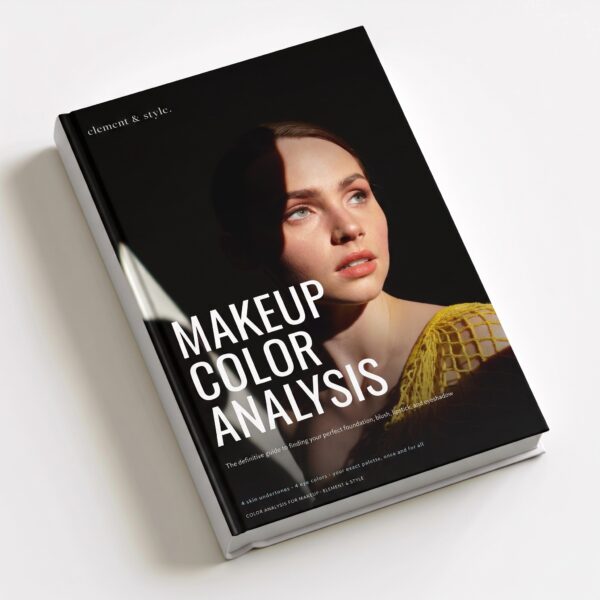
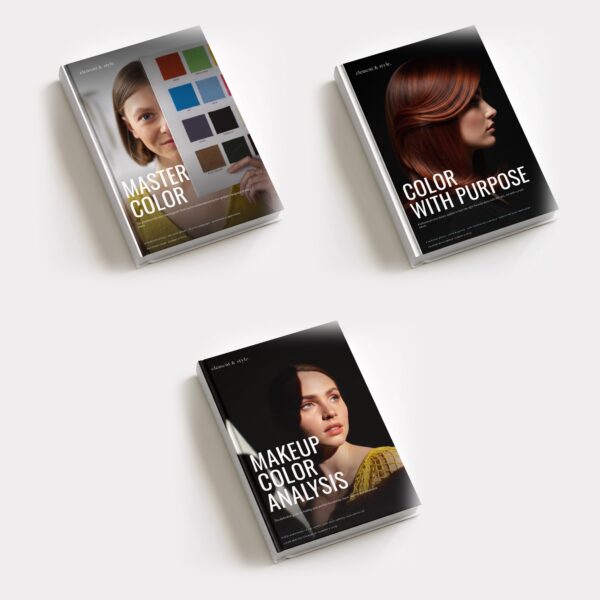
Theory, hair and makeup. Each one answers a question the other two leave open, which is why the salons that buy one usually come back for the rest.
Secure checkout · Instant download
Included with the complete bundle
AI colour analysis, shareable client reports and virtual try-on. Not a trial, and not tied to a subscription.
Upload a photo and get the full 12-season classification. Disagree with it? Set the season yourself and the whole report rebuilds around your call. Your eye has the last word, not the model.
Every analysis becomes a link: palette, face shape, body type and styling notes, built for the phone. No PDFs, no Canva, no exporting. When she shares it, it does your marketing for you.
See a sample report →Virtual try-on and beauty studio: hair colour, makeup and outfit combinations side by side, on the actual person in front of you.
Single guides don't include the license — it comes with the complete bundle.
Color analysis is the part of the appointment that gets improvised most, and the part clients notice most when it’s done properly.
Undertone and natural contrast, before the first bowl. Ten minutes that decide whether the formula lands or fights her.
“This will go brassy against your skin” lands very differently from “I wouldn’t do that”. One is a reason; the other is a preference.
A color read is something you can put on the menu and charge for — and it needs no extra space and no extra stock.
Worth saying, because it’s the opposite of most color content aimed at salons.
No product lines, no proprietary system. The reasoning works with whatever is already on your shelf.
Charts go out of date and don’t travel between brands. The mechanism does both.
A client’s undertone doesn’t change with the season. What changes is which of her colors happen to be fashionable.
Makeup artists and image consultants use the same three axes. The application differs; the reading doesn’t.
Master Color, if you want the reasoning first — it is the groundwork the other two lean on. If you already work with color every day and want something you can apply tomorrow, start with the one that matches your chair: hair or makeup.
No. Master Color starts from the wheel. If you already know it, that guide will go fast and the other two are where the new material is for you.
Yes. You can use them in consultation and hand a client the relevant PDF. What you can’t do is resell them or distribute them as your own product.
Related, not the same. Seasonal analysis tells a client which palette is hers. These tell you why, and how to translate it into a formula or a makeup bag. Plenty of people own both.
PDF, designed to be read on a phone or printed. The download is instant and access doesn’t expire.
you’ll know whether it was the product or the undertone — and you’ll be able to tell her which, without guessing.
From $14.99 · Instant download · Lifetime access