
Ever stood in front of a jewelry counter, agonizing over whether to pick the dazzling gold necklace or the sleek silver bracelet? It’s a common dilemma, and one that often boils down to something fundamental about your unique coloring: your undertone. Knowing whether gold or silver truly lights up your complexion isn’t just about personal preference; it’s a key piece of the puzzle in discovering your best colors. That’s where a simple yet powerful metal undertone test comes in handy.
Think about it: the right metal can make your skin glow, your eyes sparkle, and even minimize the appearance of fine lines. The wrong one, however, can make you look sallow, tired, or just a bit “off.” This isn’t magic; it’s color science at play. Understanding your undertone helps you choose not only jewelry but also the perfect foundation, hair color, and even your ideal wardrobe palette. Let’s dig into how you can easily figure out if you’re a gold or silver person.
Why Does Your Undertone Matter for Metals?
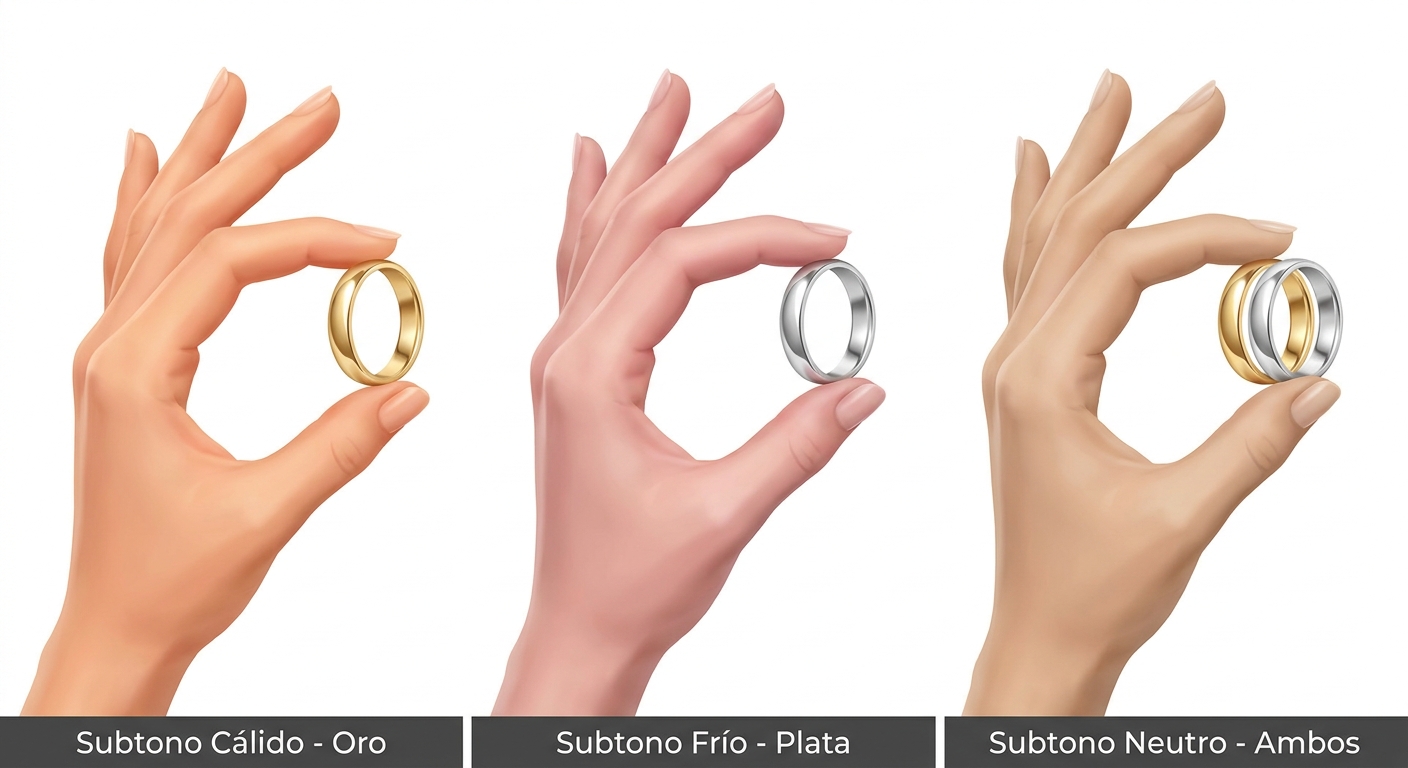
Before we jump into the practical steps of the metal undertone test, let’s chat about why this matters so much. Your skin’s undertone is the subtle hue beneath the surface, and it doesn’t change with sun exposure or age. While your overtone (the surface color you see) might vary, your undertone remains constant. Generally, undertones fall into three categories: warm, cool, or neutral.
- Warm Undertones: People with warm undertones often have a peachy, golden, or yellowish tint to their skin. They typically look fantastic in gold jewelry.
- Cool Undertones: Those with cool undertones tend to have a pink, rosy, or bluish tint. Silver, platinum, and white gold usually complement them beautifully.
- Neutral Undertones: If you have neutral undertones, you’ll have a mix of both warm and cool, or perhaps neither is particularly dominant. You’re lucky – you can often wear both gold and silver well!
The metals you choose act like tiny spotlights on your skin. Gold, with its warm yellow hue, harmonizes with warm undertones, enhancing their natural glow. Silver, with its cool, reflective quality, does the same for cool undertones, making them appear fresh and vibrant. When you wear the “wrong” metal, it can create a disharmonious contrast, making your skin look dull, reddish, or even green-tinged.
Beyond Jewelry: The Ripple Effect of Undertone Knowledge
Figuring out your metal undertone isn’t just about accessorizing. This foundational knowledge ripples out into almost every aspect of your personal style. For instance, if you discover you have a cool undertone that loves silver, you’ll likely find that cool-toned makeup (think true reds, cool pinks, icy blues) and cool-toned hair colors (ash blonde, true black, cool brown) also flatter you more. The same goes for warm undertones and warm-toned cosmetics and hair dyes. It’s all connected!
This is why professional personal color analysis is so transformative. It doesn’t just tell you what colors look good on you; it explains why. The metal undertone test is a great entry point into this fascinating world, giving you an immediate, tangible result that you can apply right away.
How to Perform a Metal Undertone Test at Home
Ready to put your undertone to the test? This experiment is simple, requires no special equipment, and you can do it right at home. The key is to create the right conditions for an accurate reading.
Step 1: Gather Your Tools (Gold and Silver)
You’ll need both gold and silver items. Don’t worry if you don’t own actual jewelry; even large pieces of foil or fabric in true gold and silver tones will work. The larger the piece, the better, as it allows for a more comprehensive reflection on your skin.
- Gold: A chunky gold necklace, large gold earrings, a gold-toned scarf, or even a piece of gold foil.
- Silver: A prominent silver bracelet, silver hoops, a silver-toned scarf, or a piece of silver foil.
Make sure the items are clean and reflective. Avoid anything with intricate patterns or colored gemstones that might distract from the metal’s pure effect.
Step 2: Set the Scene for Accuracy
The environment is crucial for getting a true reading. Here’s what you need to do:
- Natural Light is Key: Find a spot near a window with plenty of natural daylight. Avoid artificial lighting (fluorescent, incandescent, or even bright LED) as it can cast misleading tints on your skin. Direct sunlight can also be too harsh, so indirect light is best.
- Clean Skin: Wash your face and remove all makeup. You want to see your skin’s natural tone without any interference from foundation, blush, or bronzer.
- Neutral Background: Sit or stand in front of a plain, neutral-colored wall (white, gray, or beige are ideal). Avoid wearing brightly colored clothing that could reflect onto your face. Pull your hair back from your face if it’s dyed a vibrant color.
- Use a Mirror: A handheld mirror is useful, but a larger wall mirror will give you a better overall perspective.
Step 3: The Side-by-Side Comparison
Now for the actual test. Hold each metal up to your face, one at a time, and then side-by-side. Focus on how your skin reacts to each color.
- Hold Gold First: Hold the gold item directly under your chin or next to your cheek. Observe your skin carefully. Does it look brighter, healthier, and more vibrant? Or does it appear sallow, dull, or a bit washed out? Pay attention to any redness or sallowness that might be emphasized.
- Switch to Silver: Repeat the process with the silver item. Again, ask yourself: Does my skin look clear, fresh, and radiant with silver? Or does it look gray, tired, or harsh?
- Compare Directly: This is often the most revealing step. Hold both the gold and silver items up, one on each side of your face, or switch them quickly back and forth. Which one makes your skin “pop”? Which one makes your eyes sparkle? Which one seems to blend seamlessly, making your skin look naturally beautiful?
Take your time with this. Look for a harmonious effect, not just a preference. Sometimes, what we like isn’t what truly flatters us most. You might even want to take photos in both gold and silver and compare them later, or ask a trusted friend for their objective opinion.
Interpreting Your Metal Undertone Test Results
Once you’ve done the comparison, it’s time to interpret what you saw. This is where you identify your undertone.
You Have a Warm Undertone If…
- Gold makes your skin look radiant, healthy, and glowing. It enhances your natural warmth without adding yellowness.
- Silver might make your skin look a bit dull, gray, or even sickly. It can highlight any redness or create a harsh contrast.
- Your veins on your wrist might appear greenish (though this isn’t always a definitive sign).
- You tend to tan easily and rarely burn.
- Your natural hair color might have golden, red, or auburn tones.
If this sounds like you, congratulations, you’re likely a warm-toned individual! Embrace those beautiful gold, copper, and bronze metals. Warm-toned colors in your wardrobe, like olive green, rich browns, peach, and true reds, will also look fantastic on you.
You Have a Cool Undertone If…
- Silver makes your skin appear clear, fresh, and luminous. It brings out a natural rosiness and vibrancy.
- Gold might make your skin look sallow, yellow, or a bit ruddy. It can emphasize imperfections or make you look washed out.
- Your veins on your wrist might appear bluish or purple.
- You tend to burn easily in the sun and might have trouble tanning.
- Your natural hair color might be ash blonde, true black, or cool brown.
If silver is your winner, you’re probably cool-toned! Lean into silver, platinum, and white gold jewelry. Your best clothing colors will likely be cool hues such as true blues, emerald green, fuchsia, and cool grays.
You Have a Neutral Undertone If…
- Both gold and silver look good on you. Neither one makes your skin look dramatically better or worse; you can pull off both with ease.
- Your veins might appear a mix of green and blue, or difficult to distinguish.
- You might tan gradually, or burn and then tan.
- You might have a mix of warm and cool features in your hair or eyes.
Lucky you! If you’re neutral, you have the flexibility to wear both gold and silver, often mixing them beautifully. Your color palette will also be quite versatile, allowing you to wear a wider range of colors with both warm and cool undertones.
Sometimes, people with neutral undertones find that *one* metal is slightly better than the other, but the difference isn’t as stark as for truly warm or cool individuals. This slight lean can guide your choices if you want to optimize.
Common Pitfalls and How to Avoid Them
While the metal undertone test is straightforward, a few common mistakes can skew your results. Be mindful of these to get the most accurate reading:
- Bad Lighting: As mentioned, artificial light is the enemy of accurate color analysis. Yellow incandescent bulbs can make everyone look warm, while cool fluorescent lights can make everyone seem cool. Stick to natural, indirect daylight.
- Wearing Makeup: Foundation and concealer are designed to even out skin tone, which can obscure your natural undertone. Always test on clean, bare skin.
- Colored Clothing or Backgrounds: Bright colors can reflect onto your skin, creating a false impression. Opt for a neutral setting.
- Rushing the Test: Take your time. Look at yourself from different angles, step back from the mirror, and truly observe the subtle shifts in your skin.
- Personal Preference Over Objective Observation: It’s easy to pick the metal you already love, but try to be objective. What truly flatters your skin, even if it’s not what you’re used to wearing?
- Small Jewelry: Tiny earrings or a thin chain might not provide enough reflective surface to give a clear indication. Use larger pieces if possible.
If you’re still unsure after your initial test, try it again on another day, at a different time of day (still in natural light), or with different gold and silver items. Sometimes, a fresh perspective helps.
Beyond the Metal Undertone Test: Diving Deeper into Color Analysis
The metal undertone test is a fantastic starting point, but it’s just one piece of the larger personal color analysis puzzle. A comprehensive color analysis goes beyond just warm or cool. It also assesses your value (how light or dark your overall coloring is) and your chroma (how bright or muted your coloring is). These three dimensions – undertone, value, and chroma – combine to place you into one of the 12 (or even 16) seasonal palettes.
For example, someone with a warm undertone could be a Light Spring (light, warm, bright), a Warm Spring (medium, warm, bright), a Warm Autumn (medium, warm, soft), or a Deep Autumn (deep, warm, soft). Each of these seasons has a unique palette of colors that will make them look their absolute best.
This is where professional tools like color analysis drapes come into play. These fabric drapes, in various shades and temperatures, are systematically placed under your face during a consultation. A trained image consultant or personal stylist uses these drapes to observe how each color interacts with your skin, hair, and eyes, revealing your true seasonal palette. The difference can be truly astonishing!
If you’re a budding image consultant or personal stylist, or simply want to explore your own colors with more precision, a dedicated set of drapes can be invaluable. For those specifically focused on undertone, the Metals Pack – Color Analysis Drapes offers a focused approach to assessing gold versus silver, providing clear indicators for your clients or for your personal journey.
The Role of Drapes in Professional Color Analysis
For image consultants, using color analysis drapes is the gold standard for accurate assessments. While a metal undertone test offers a good indication, drapes provide a more nuanced and comprehensive diagnosis. Here’s why:
- Variety of Hues: Drapes come in a wide array of colors, not just gold and silver. This allows consultants to test various shades of red, blue, green, etc., to see how different temperatures and intensities affect the client’s skin.
- Controlled Environment: Professional draping sessions are typically conducted in a controlled lighting environment, often with specialized daylight lamps, to ensure the most accurate color perception.
- Comprehensive Assessment: Beyond just undertone, drapes help identify a client’s dominant characteristics (warm/cool, light/dark, bright/muted), leading to a precise 12-season or 16-season determination.
- Client Education: Draping is a highly visual process that helps clients understand *why* certain colors work for them, making the results more impactful and memorable.
A personal stylist who masters draping can confidently guide clients through wardrobe choices, makeup selections, and even hair color decisions, creating a cohesive and flattering overall look. The metal undertone test is a great conversation starter, but the full drape set is where the magic truly happens.
Making the Most of Your Metal Undertone Knowledge
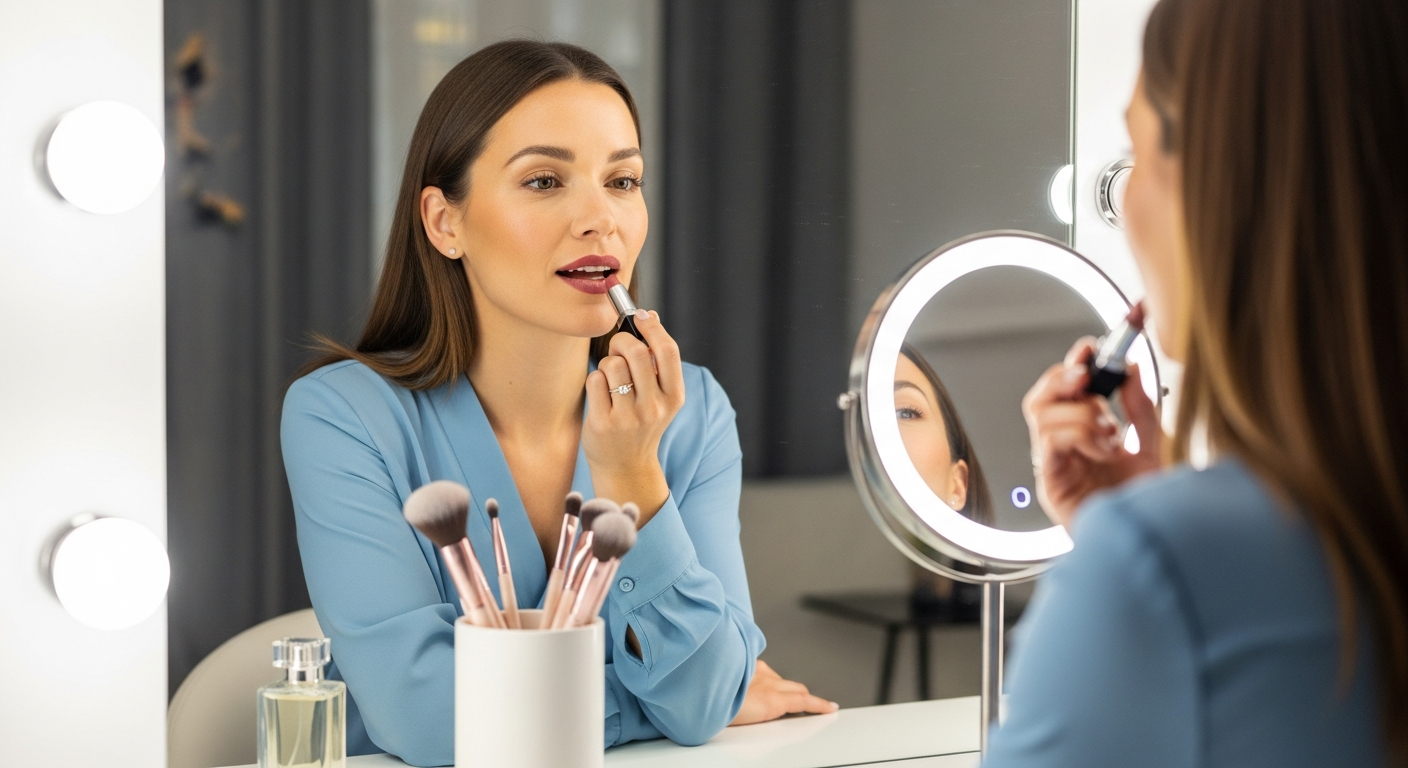
Once you’ve nailed down your metal undertone, you can start applying this knowledge in practical ways:
- Jewelry Shopping: This is the most obvious one! Stick to your best metal. If you’re neutral, feel free to mix and match.
- Hardware on Accessories: Pay attention to the buckles on your belts, the zippers on your handbags, and the hardware on your shoes. Choosing items with your best metal tone creates a more harmonious look.
- Eyeglass Frames: Many eyeglass frames have metallic details. Opt for frames with gold or silver accents that match your undertone.
- Makeup Choices:
- Warm Undertones: Look for foundations with golden or peach undertones, bronzers, warm-toned blushes (coral, peach), and eyeshadows in earthy tones.
- Cool Undertones: Seek foundations with pink or cool beige undertones, cool-toned blushes (rose, berry), and eyeshadows in cool grays, blues, and purples.
- Hair Color:
- Warm Undertones: Golden blondes, rich auburns, warm browns, and honey tones will typically enhance your complexion.
- Cool Undertones: Ash blondes, true blacks, cool browns, and burgundy shades often look best.
- Wardrobe Planning: While a full color analysis gives you the complete picture, knowing your undertone guides your initial color choices. Warm-toned individuals will gravitate towards earthy tones, warm reds, and vibrant oranges, while cool-toned individuals will shine in true blues, emeralds, and cool purples.
It’s amazing how much of a difference these small adjustments can make. You’ll find that your outfits feel more cohesive, your makeup looks more natural, and you simply feel more confident when everything is working in harmony with your natural coloring.
For those looking to truly master their color journey or for professionals seeking to provide top-tier services, exploring the full range of professional tools is a game-changer. You can find resources and tools, including comprehensive drape sets, designed to take your understanding of color to the next level by exploring análisis de colorimetría y estilo gratuito.
So, the next time you’re debating between gold and silver, you’ll have the power of your personal color knowledge to guide you. A quick metal undertone test is a simple yet effective way to unlock a deeper understanding of your unique beauty and make choices that truly make you shine.