
Ever stood in front of a mirror, holding up two different shades of the same color, and felt like one just *clicked* while the other fell flat? Maybe a soft rose makes you glow, but a bright fuchsia seems to wear you instead of the other way around. Or perhaps a deep forest green feels like home, but a muted olive drains your energy. That feeling isn’t random; it’s your personal color palette trying to tell you something, and it often boils down to understanding your true soft bright season.
Color analysis goes beyond simply knowing if you’re a Spring, Summer, Autumn, or Winter. Within each of those four main seasons, there are nuances, or “sub-seasons,” that fine-tune your palette even further. These sub-seasons are often described using modifiers like “True,” “Soft,” “Bright,” “Light,” “Deep,” or “Warm” and “Cool.” Today, we’re going to pull back the curtain on three of the most common and sometimes confusing modifiers: True, Soft, and Bright. Understanding these can truly unlock your most harmonious colors, making getting dressed a joy instead of a puzzle.
What Do “True,” “Soft,” and “Bright” Mean in Color Analysis?
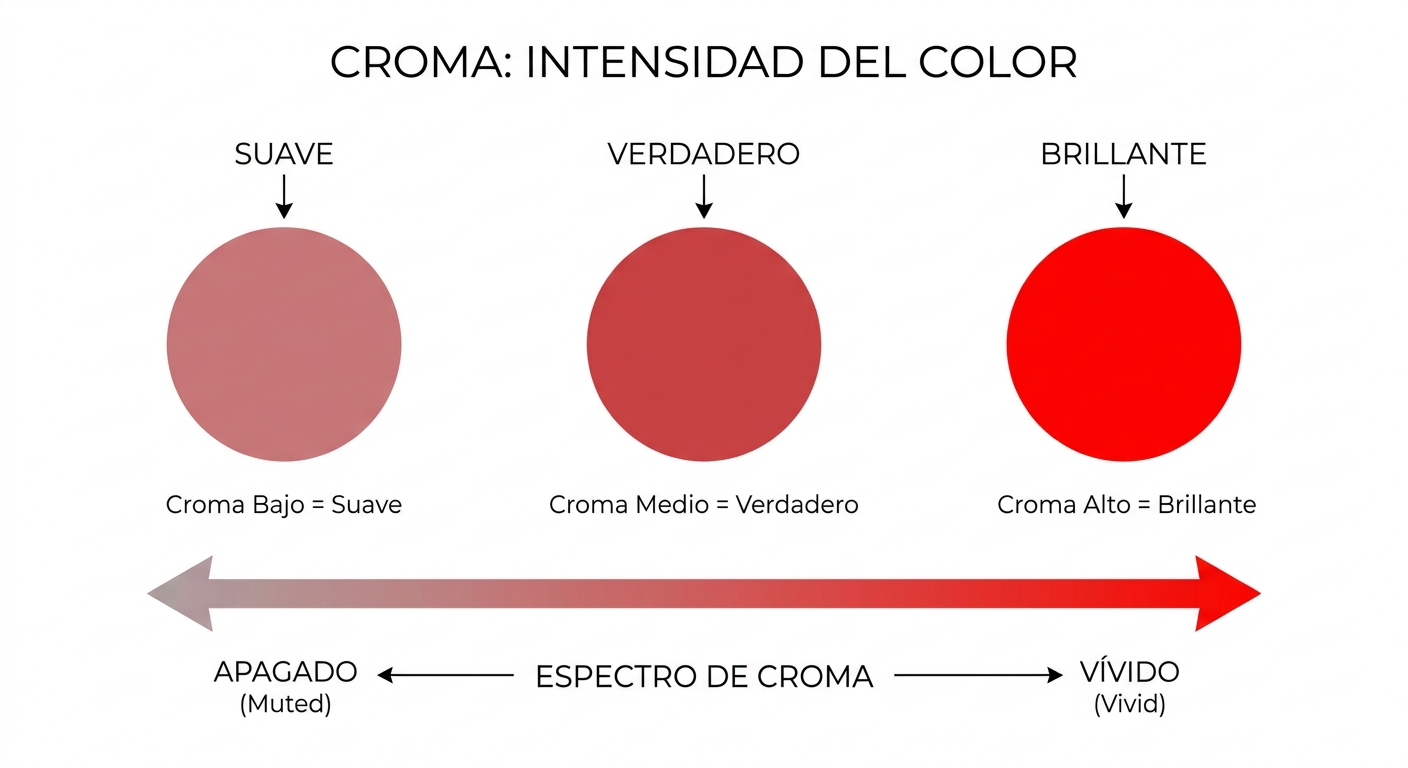
Before we dive into how these modifiers apply to specific seasons, let’s break down what each term signifies in the world of personal color analysis. Think of these as different dials on a color mixing board, adjusting the intensity and clarity of your ideal shades.
Understanding Chroma: The Key to True, Soft, and Bright
At the heart of these distinctions is a concept called “chroma,” which refers to the intensity, saturation, or purity of a color. It’s how vivid or muted a color appears. High chroma colors are bright and clear, while low chroma colors are soft and muted. This is one of the three main dimensions of color, alongside hue (warmth/coolness) and value (lightness/darkness).
- True: When we talk about a “True” season, it means that the primary characteristic of that main season (Spring, Summer, Autumn, Winter) is the most dominant feature in your natural coloring. For example, a True Spring is primarily defined by warmth and brightness, with less emphasis on being extremely light or extremely deep. The “True” designation often sits at the center of a season’s sub-palettes, embodying the quintessential qualities of that season.
- Soft: A “Soft” modifier indicates a lower chroma. These individuals look best in colors that are muted, dusty, understated, or blended. Think of colors that have a touch of gray or brown added to them, taking away their sharp intensity. Soft colors are gentle and harmonious, and they blend beautifully with a naturally less-contrasting appearance.
- Bright: Conversely, a “Bright” modifier signifies high chroma. People with a “Bright” coloring shine in vivid, clear, intense, and pure colors. These are shades that pop, without any gray or muddy undertones. Bright colors mirror a naturally high-contrast appearance, allowing the wearer to stand out without being overwhelmed.
Imagine a painter’s palette: a True color might be the pure pigment straight from the tube. A Soft color would be that pigment mixed with a bit of gray or its complementary color, making it more subdued. A Bright color would be the pure, unadulterated pigment, perhaps even amplified by surrounding clear colors.
Diving Deeper: How True, Soft, and Bright Seasons Manifest

Now, let’s look at how these modifiers play out within the 12-season system. Keep in mind that while each sub-season has a primary characteristic (like “softness” or “brightness”), it also has secondary characteristics related to warmth/coolness and lightness/darkness.
The “True” Seasons: The Core of Each Palette
The “True” seasons are often considered the “purest” representations of their main season. They are primarily defined by their dominant characteristic, whether that’s warmth, coolness, brightness, or depth.
True Spring (Warm Spring)
- Primary Characteristic: Warmth and Brightness.
- Colors: Think of the vibrant, clear colors of a spring meadow in full bloom. Sunny yellows, clear greens, warm coral, and pure turquoise. These colors have a golden undertone and a lively, clear quality.
- Appearance: Often features warm, golden undertones in the skin, with hair colors ranging from golden blonde to warm brown, and eyes that are typically clear and sparkling (blue, green, hazel, light brown). There’s a natural radiance.
- Why it works: True Springs are flattered by colors that echo their natural warmth and clear, bright quality. Muted colors can make them look tired, while overly cool colors can clash.
- Example: A person with peachy skin, golden blonde hair, and sparkling blue eyes would likely be a True Spring.
True Summer (Cool Summer)
- Primary Characteristic: Coolness and Softness.
- Colors: These are the gentle, muted, and cool colors of a hazy summer day. Think lavender, dusty rose, periwinkle blue, and soft teal. They have a blue undertone and a delicate, blended appearance.
- Appearance: Skin often has cool, pinkish, or olive undertones, with hair colors ranging from ash blonde to cool medium brown, and eyes that are typically muted (blue, gray, hazel, soft green). There’s a gentle, serene quality.
- Why it works: True Summers thrive in colors that mirror their natural coolness and muted elegance. Bright or warm colors can overwhelm their delicate complexion.
- Example: Someone with cool, porcelain skin, ash brown hair, and soft gray-blue eyes would likely be a True Summer.
True Autumn (Warm Autumn)
- Primary Characteristic: Warmth and Depth/Softness.
- Colors: Imagine the rich, earthy, and warm colors of autumn foliage. Deep olive green, rust, mustard yellow, warm brown, and terracotta. These colors have a golden or reddish-brown undertone and a grounded, natural feel.
- Appearance: Skin often has warm, golden, or coppery undertones, with hair colors ranging from rich auburn to warm dark brown or black, and eyes that are typically warm and earthy (amber, hazel, warm brown, deep green). There’s a natural richness.
- Why it works: True Autumns look their best in colors that reflect their inherent warmth and natural depth. Cool or overly bright colors can look artificial against their complexion.
- Example: A person with golden-olive skin, rich auburn hair, and warm hazel eyes would often be a True Autumn.
True Winter (Cool Winter)
- Primary Characteristic: Coolness and Brightness/Depth.
- Colors: These are the bold, clear, and icy cool colors of a stark winter landscape. Pure white, true black, icy blue, emerald green, and fuchsia. They have a strong blue undertone and a crisp, dramatic quality.
- Appearance: Skin often has cool, pink, or olive undertones, with hair colors ranging from dark brown to true black (sometimes platinum blonde), and eyes that are typically clear and intense (deep blue, black-brown, emerald green). There’s a striking contrast.
- Why it works: True Winters shine in colors that match their natural coolness and high contrast. Muted or warm colors can dull their vibrant appearance.
- Example: Someone with cool, fair skin, jet black hair, and piercing blue eyes is a classic True Winter.
The “Soft” Seasons: Muted and Blended Beauty
The “Soft” seasons are characterized by a dominant muted quality (low chroma). Their colors are never harsh or overly vivid, but rather harmonious and understated. They often bridge two main seasons, leaning towards one but borrowing qualities from the other.
Soft Summer
- Primary Characteristic: Softness and Coolness.
- Colors: Imagine the diffused, gentle colors of a misty summer morning. Gray-blue, dusty lavender, rose beige, and muted teal. These colors are cool, desaturated, and sophisticated.
- Appearance: Often has a harmonious, low-contrast appearance. Skin can have cool or neutral-cool undertones, hair is typically ash blonde to medium brown, and eyes are often soft and blended (gray, hazel, soft blue/green).
- Why it works: Soft Summers are overwhelmed by bright, clear colors and can look sallow in warm tones. Their best colors are soft, cool, and blend seamlessly with their natural muted beauty.
- Example: A person with neutral-cool skin, mousy brown hair, and soft hazel eyes would likely be a Soft Summer.
Soft Autumn
- Primary Characteristic: Softness and Warmth.
- Colors: Think of the gentle, blended colors of late autumn leaves or a cozy, rustic cabin. Sage green, mushroom taupe, muted peach, and warm plum. These colors are warm, desaturated, and earthy.
- Appearance: Similar to Soft Summer, a harmonious, low-contrast look. Skin often has warm or neutral-warm undertones, hair is typically golden blonde to medium brown, and eyes are often soft and blended (hazel, soft brown, olive green).
- Why it works: Soft Autumns are dulled by bright, clear colors and can look washed out in overly cool tones. Their ideal palette is soft, warm, and rich in natural, blended hues.
- Example: Someone with neutral-warm skin, golden brown hair, and soft green eyes would often be a Soft Autumn.
The “Bright” Seasons: Clear, Vivid, and Dynamic
The “Bright” seasons are defined by their dominant high chroma. Their colors are clear, intense, and pure, reflecting a naturally vibrant and high-contrast appearance.
Bright Spring
- Primary Characteristic: Brightness and Warmth.
- Colors: These are the electrifying, clear colors of a tropical paradise. Hot pink, lime green, clear turquoise, and pure orange. They are vivid, energetic, and have a touch of warmth.
- Appearance: Often has a vibrant, high-contrast appearance. Skin can have warm or neutral-warm undertones, hair is typically golden blonde to medium brown, and eyes are often sparkling and clear (bright blue, green, hazel).
- Why it works: Bright Springs need colors that match their natural intensity. Muted colors can make them look dull or sickly, while overly cool colors can clash.
- Example: A person with warm-neutral skin, golden brown hair, and brilliant blue eyes would likely be a Bright Spring.
Bright Winter
- Primary Characteristic: Brightness and Coolness.
- Colors: Think of the bold, clear, and jewel-toned colors of a dramatic winter night. Royal blue, emerald green, ruby red, and pure white. These colors are intense, cool, and striking.
- Appearance:
: High-contrast and dramatic. Skin can have cool or neutral-cool undertones, hair is typically dark brown to black, and eyes are often vivid and clear (deep blue, black-brown, emerald green). - Why it works: Bright Winters need colors that can stand up to their strong natural contrast. Muted or warm colors can diminish their vibrant presence.
- Example: Someone with cool, clear skin, dark brown hair, and piercing emerald eyes is a classic Bright Winter.
How Do You Know if You Are a True, Soft, or Bright Season?
Determining your exact sub-season, especially distinguishing between true, soft, and bright, is where professional color analysis truly shines. It’s not always obvious, and many people fall into the “neutral” zone in terms of their primary characteristics, making the secondary characteristics even more important.
The Role of Draping in Pinpointing Your Season
A professional color analysis session, or “draping session,” is the most accurate way to discover your best colors. During a consultation, an image consultant or personal stylist will systematically hold various color analysis drapes against your face in natural light. These fabric drapes are specifically designed to highlight how different colors interact with your skin’s undertone, value, and chroma.
As the consultant drapes, they’ll observe subtle changes in your complexion. Do your eyes sparkle? Does your skin look clearer, smoother, or more radiant? Do shadows disappear from under your eyes? Or does a color make you look sallow, tired, or bring out imperfections?
When trying to differentiate between a “True,” “Soft,” or “Bright” season, the consultant will pay close attention to chroma. They’ll compare how you look in:
- Pure, high-chroma colors: Do these make you look vibrant and alive, or do they overpower you?
- Muted, low-chroma colors: Do these make you look harmonious and elegant, or do they dull your complexion?
- Mid-range chroma colors: Do these feel “just right,” reflecting a balanced intensity?
For example, if you’re a Bright Spring, those vivid, clear colors will make your eyes pop and your skin glow. If you’re a Soft Summer, those same bright colors might make you look washed out, while a muted lavender or dusty blue will bring out your natural radiance.
DIY Exploration with Color Analysis Drapes
While a professional consultation is ideal, you can also begin to explore these concepts at home. Many aspiring image consultants and individuals keen on DIY color analysis start with a 4 Seasons Drapes — Color Analysis set. These professional drape sets, priced at $149, provide the foundational tools to understand the four main seasonal palettes. Once you have a good grasp of your main season, you can then experiment with smaller color analysis drapes or even fabric swatches that lean into the “soft” or “bright” ends of your identified season.
Here’s a simplified way to think about it for your main season:
- If you lean heavily into the core characteristics of your season (e.g., pure warmth for Spring/Autumn, pure coolness for Summer/Winter) and look best in moderately clear, classic versions of those colors, you might be a “True” season.
- If you find that colors with a touch of gray or a slightly dusty quality make you look harmonious and sophisticated, you might be a “Soft” season. Bright, intense colors would likely overwhelm you.
- If you feel invigorated by clear, vivid, and highly saturated colors, and muted colors make you feel drab, you might be a “Bright” season.
Remember, the goal is not to force yourself into a category, but to find the colors that truly make you look and feel your best. It’s about enhancing your natural beauty, not changing it.
Why Understanding Your True, Soft, or Bright Season Matters
Knowing your precise sub-season, whether it’s a true soft bright season or another modifier, is a game-changer for your personal style. It means:
More Confident Shopping
No more guessing games in the store! You’ll know exactly which shades of red, blue, or green will flatter you most. This saves time, money, and reduces those “closet full of clothes, nothing to wear” moments.
A More Harmonious Wardrobe
When all your clothes are in your best colors, everything mixes and matches effortlessly. You’ll have a cohesive wardrobe where every piece makes you look great, reducing decision fatigue.
Enhanced Natural Beauty
The right colors literally make your skin look clearer, your eyes brighter, and your features more defined. They diminish the appearance of fine lines, dark circles, and uneven skin tone, giving you a natural glow without heavy makeup.
Empowered Personal Expression
Color is a powerful form of self-expression. When you wear your best colors, you feel more authentic, confident, and ready to take on the world. It’s not about following trends but about owning your unique aesthetic.
For image consultants and personal stylists, understanding these modifiers is fundamental to providing accurate and transformative personal color analysis. It’s the difference between a good consultation and an exceptional one, providing clients with truly tailored palettes.
Beyond the Basics: Continuous Learning in Color Analysis
The world of personal color analysis is rich and nuanced. While understanding the “true, soft, and bright” modifiers is a significant step, there are other aspects to explore, such as value (light vs. deep) and the interplay of all three dimensions (hue, value, chroma).
For those looking to deepen their knowledge, whether for personal enrichment or professional development, resources abound. Websites like Wikipedia’s entry on Personal Color Analysis offer a great foundational overview. Industry organizations like AICI (Association of Image Consultants International) also provide valuable insights and training for image consultants. Reputable beauty and fashion publications like Allure often feature articles that touch on the impact of color on appearance, reinforcing the everyday relevance of this practice.
Embracing the subtleties of your personal color palette is an empowering journey. It’s about celebrating your natural beauty and choosing colors that truly resonate with who you are. Whether you’re a True Spring, a Soft Autumn, or a Bright Winter, there’s a world of color waiting to make you shine. Understanding the nuances of your true soft bright season is a powerful tool, not just for your wardrobe, but for your overall confidence and self-expression.